
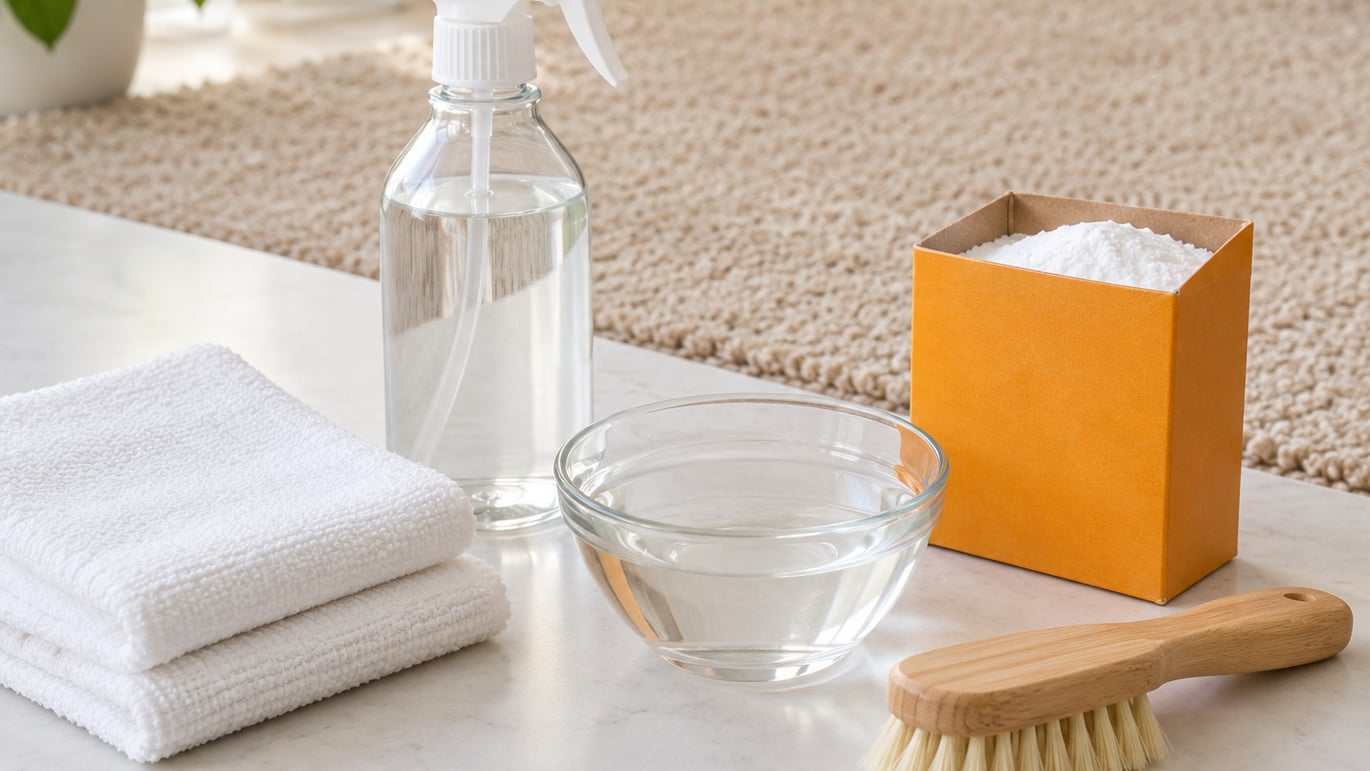
How to remove beer stains from carpet comes down to four moves: blot the spill with a clean white cloth without rubbing, work a solution of 1 tablespoon white vinegar and 1 tablespoon mild liquid dish soap into 2 cups of warm water over the mark from the outside inward, rinse with cool water, then blot dry. For odor, sprinkle baking soda over the damp spot, leave it overnight and vacuum it up.
That is the whole method, and it works best within the first hour. Beer is not just a colored liquid. The malt and yeast leave a brownish tint, and the sugars dry into a sticky residue that keeps grabbing dirt and dust long after the spot looks clean, which is why stains people thought they fixed come back darker a few weeks later.
Two things decide whether you succeed or make it worse: the order of your steps and how gently you touch the fibers. Blotting pushes liquid out. Rubbing grinds it in. Keep that one distinction straight and most fresh spills come out of the carpet without a machine.
What You Need
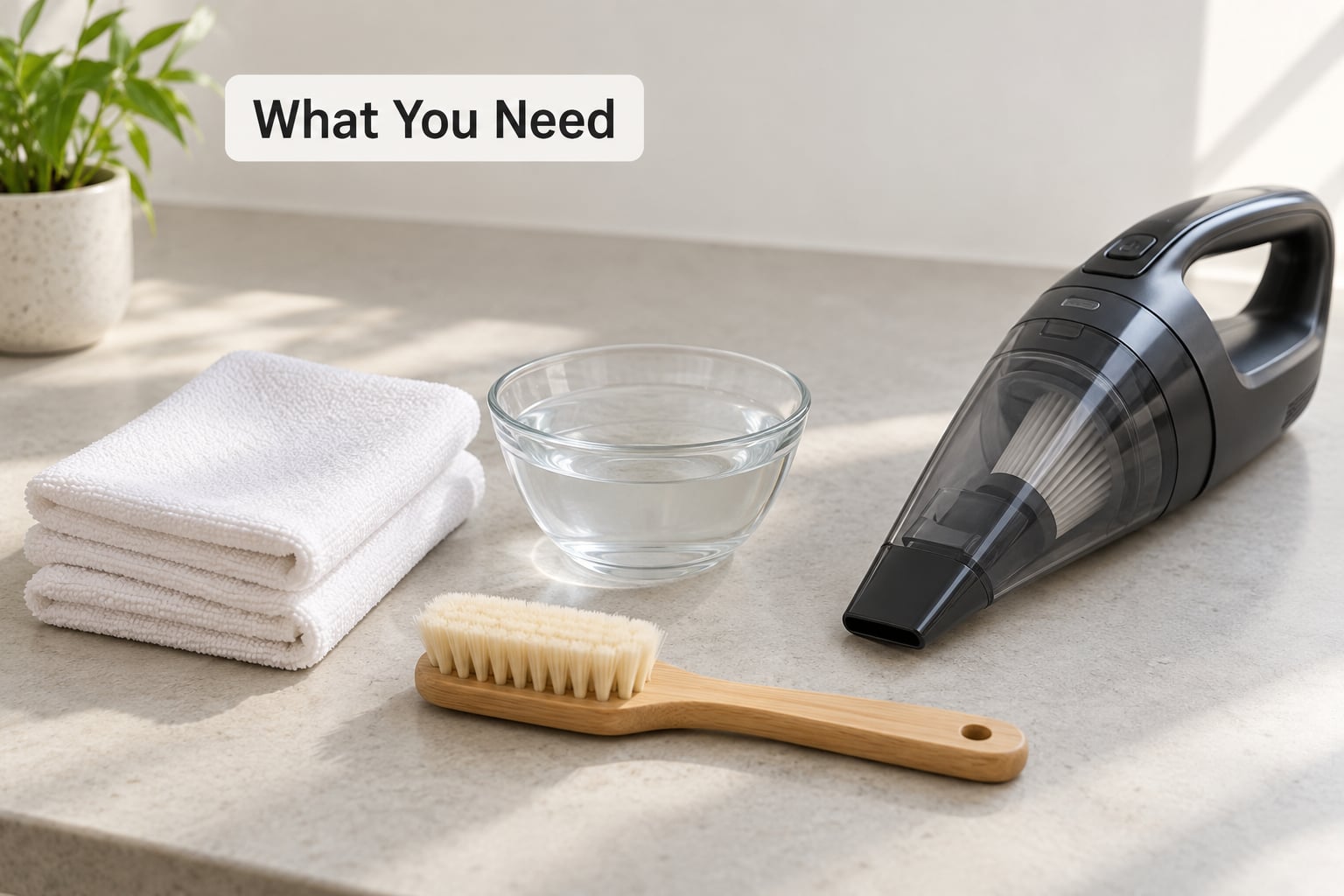
The immediate method takes almost nothing. You need clean white cloths or paper towels, a bowl, cool water and a few minutes of patience. That is enough for a fresh spill caught early.
The deeper clean, for a mark that has dried or a smell that lingers, adds a few items:
- Mild, colorless liquid dish soap, the kind you would use at the sink. Nothing with bleach in it, and nothing scented or colored.
- White vinegar, the plain 5 percent kind from the grocery aisle.
- A soft-bristled brush, used with a light hand and only on durable pile.
- A spray bottle for misting cool water evenly instead of dumping it in one spot.
- A vacuum cleaner with an upholstery attachment, for the baking soda.
- A box of baking soda for deodorizing.
For a larger spill, keep two old towels ready to absorb moisture and a fan pointed at the carpet. The fan is not a nicety. Trapped moisture in the pile is what turns a small stain into a musty patch, and if you also want to cut down on how much you spill in the first place, our guide to how to pour beer without too much foam helps with the physics of it.
Step-by-Step: How to Remove Beer Stains from Carpet
1. Act immediately and identify the carpet type
Fresh beer is dramatically easier to remove than dried beer, so start the clock now. If the carpet has a care label, usually tucked under the edge near a wall or under the padding at a doorway, read it before you mix anything. It will tell you the fiber and often names a cleaner the manufacturer approves.
Wool and silk rugs are the sensitive cases. A dish soap and vinegar solution is usually safe on wool when it is diluted and blot-only, but you confirm with the label rather than assume. Synthetics like nylon and polyester are more forgiving, and a solution you use safely at the sink is generally fine on them.
Whatever the fiber, find a hidden spot under the sofa or behind the couch and test your cleaner there first. Give it a few minutes to dry and look at it in good light. If the color shifts or the pile flattens differently, stop and find a product rated for that carpet.
2. Remove excess beer without spreading the stain
Do not rub. Rubbing grinds the malt particles into the pile and spreads the mark outward, which is the single most common way a fixable stain becomes a permanent one.
Press a clean white cloth or folded paper towel down firmly and lift straight up. Repeat, rotating to a clean dry section each time, until the cloth comes up mostly dry. If foam or solids are sitting in the spill, scoop them up with a spoon or the dull edge of a knife first so they do not get pressed down into the fibers.
Work from the outside edge of the wet area toward the center. Fluid moves downhill, so starting at the rim keeps the clean fiber clean while the lifting happens where the liquid actually is. You will see the mark shrink inward as you work, which is a good sign it is working.
3. Flush the fibers with cool water
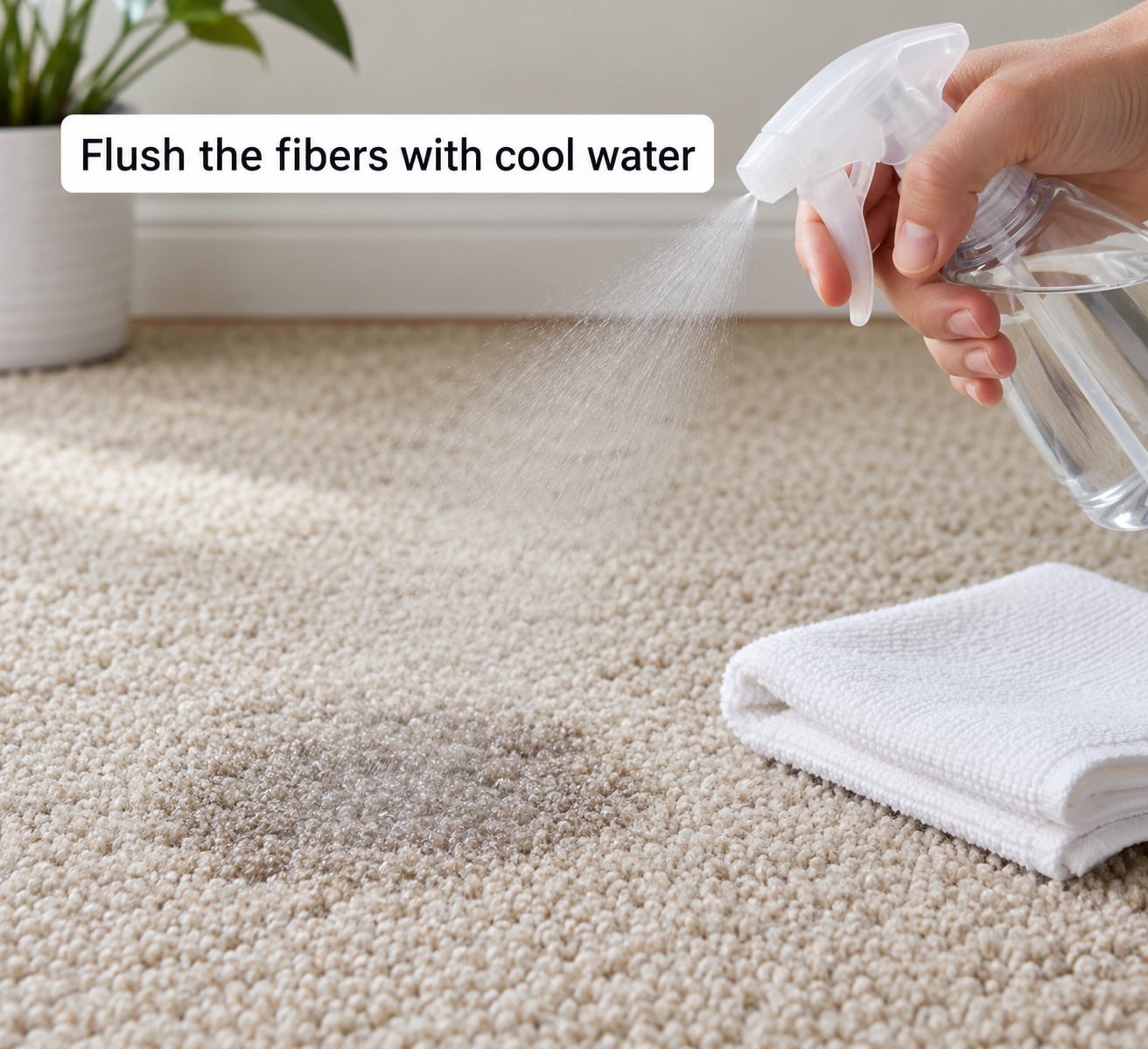
Mist the damp area lightly with cool water. You are aiming for damp, not flooded. Saturated carpet is slow to dry and moisture that reaches the backing or padding can cause a sour smell later, which is a second problem you do not want while fixing the first.
Then blot again with a clean cloth. This flushes the loosened sugars out of the pile and into the cloth where you can see it happening. If your cloth is coming up yellow-brown and sticky, keep going until it comes up clear. The stain is not out when it stops looking brown. It is out when the cloth stays clean.
4. Apply diluted mild dish soap for remaining marks
Mix 1 tablespoon of mild liquid dish soap and 1 tablespoon of white vinegar with 2 cups of warm water. Stir it until the water is cloudy with soap, not when it is frothy.
Dawn is the dish soap most often recommended for sticky spills, and on carpet it does the same job as long as it is this diluted and you get it back out. If you prefer a gentler option, a little castile soap dissolves in the same amount of water and works nearly as well.
Dab the solution on with a damp sponge or cloth rather than pouring it, again working from the outside edges inward. Let it sit a few minutes so the soap can loosen what is holding to the fibers, then blot with a fresh white cloth. You will see the brown lift off. If the mark remains, repeat once. If nothing changes, move on rather than scrubbing harder.
Skip the 3 percent hydrogen peroxide unless the carpet is a light color and the label permits it. It bleaches, and it will lighten dark or patterned carpet permanently.
5. Blot, rinse, and dry the carpet
Remove the suds by sponging with cool water and blotting with a clean damp cloth. Keep blotting until the cloth comes up without a film. Any soap you leave behind keeps attracting soil, and that film is a common reason a treated spot looks grimy days later.
Absorb what you can with dry towels, then put a fan on the area. Most damp patches are dry in a few hours; a closed room with no airflow can take a day. Before you put furniture back, lay a clean dry white towel over the spot and press down. If it feels cool or damp when you lift it, there is still water down there.
6. Treat stubborn stains with a carpet-safe enzymatic cleaner
Once the visible mark is gone, deal with what you can still smell. An enzyme cleaner made for organic stains works on the yeast and malt residue rather than just washing over it. Follow the label directions, and expect a dwell time of ten to fifteen minutes before you work it in.
Sprinkle baking soda over any remaining damp area, leave it overnight so it absorbs the odor, then vacuum it thoroughly. In my experience this one cheap step handles the smell better than anything stronger, as long as you give it the full night. If the odor is still there the next day, an enzymatic cleaner and a longer dwell are the next step before anything harsher.
For valuable, antique, dyed, hand-knotted or wool rugs, stop and call a rug specialist rather than experimenting. Worth a professional quote when the pile is old, the carpet is light enough that a mark shows badly, or a first pass has already made things look worse. A rental extractor handles a large soaked area well, but on a small set-in spot it mostly pushes moisture around.
Common Mistakes
Rubbing is the big one. It feels like it is working because you see the cloth change color, and it is doing the opposite, working the stain deeper into the pile. Press and lift instead.
Hot water is the second. Heat sets protein and tannin-like stains, so a warm rinse should stay well below anything you would pour on your hand. Warm water in the soap solution helps it dissolve; hot water on the carpet hurts.
Soaking the carpet is the third. Flooding pushes liquid into the backing and padding where it can sit for weeks and grow a smell. Damp and blot, always.
Bleach and harsh chemicals do not belong on carpet. Bleach removes color along with the stain, and many carpet warranties require a neutral pH cleaner, so harsh chemistry can void coverage.
Colored or red rags add their own stain. Use white cloths only, and change sections frequently so you are not transferring a dirty blot back onto clean fiber.
Drying too slowly is how a beer stain becomes a musty carpet problem. Fan, towel and airflow, and keep people off the damp patch until it is dry to the touch.
Sugar water is worth avoiding too. It dissolves into the same sticky residue you are trying to lift.
To prevent the next one, keep beer in a covered glass on a tray when the floor is carpeted, and give glasses a wider landing zone on tables than you think you need. If you like having the good stuff around, our guide to storing beer at home covers keeping bottles from leaving a mark on anything else too.
Frequently Asked Questions
Can I remove a dried beer stain from carpet?
Yes, though the odds drop. Start by soaking the dried area with cool water and blotting to soften it, then work in a solution of 1 tablespoon mild dish soap and 1 tablespoon white vinegar with 2 cups of warm water from the outside edges inward. A dried mark can also leave sticky sugar residue, so a second pass is often needed. On light carpet a very small amount of 3 percent hydrogen peroxide may lift what remains, but test it hidden first.
Will baking soda remove a beer stain from carpet?
Baking soda is for the smell, not the color. It does very little to lift the brown mark itself, but sprinkled over a damp spot and left overnight it absorbs a surprising amount of the sour, yeasty odor that beer leaves behind. Vacuum it up thoroughly the next day. Use it after you have blotted and rinsed the visible stain, not instead of doing that work.
Is vinegar safe for beer stains on carpet?
Generally yes, when you dilute it. The standard mixture is 1 tablespoon white vinegar with 2 cups of water plus 1 tablespoon mild dish soap. Blot, do not scrub, and rinse the area with cool water afterward so no acidic residue is left in the pile. Test it in a hidden spot first, and on antique, dyed or valuable wool rugs call a professional instead.
How should I treat beer on a wool carpet?
Work gently and stay blot-only. Wool fibers are more prone to felting and shrinkage than synthetics, so avoid hot water, vigorous scrubbing and over-wetting. Use cool water, a solution of mild dish soap and white vinegar in the ratio of 1 tablespoon each to 2 cups of warm water, and blot from the edges inward. Check the care label, and call a rug specialist for anything expensive or hand-knotted.
What if the beer stain still smells after cleaning?
The visible mark and the odor are two separate problems, and the liquid can be gone while the smell stays. Beer carries yeast and malt that lodge deep in the pile. Work an enzyme cleaner made for organic stains into the damp area and follow its dwell time, which is usually ten to fifteen minutes, then rinse and dry. If the odor outlives that, the residue is probably in the padding and needs professional extraction.
When should I hire a professional carpet cleaner for a beer stain?
Call a professional when the carpet is wool, antique, dyed or hand-knotted, when the area was soaked through rather than splashed, when the odor is coming from the padding, or when a DIY pass has already made the mark look worse. A rental extraction machine helps on a large wet area, but on a small set-in spot it mostly moves moisture around. Gentle DIY is the sensible first move in most cases.
Conclusion
To remove beer stains from carpet, work outside the mark and inward, never rub, keep the water cool and the carpet merely damp, and test anything new in a hidden area first. Push air across the spot once you are done so it dries the same day. Then let baking soda sit overnight for the smell, which is usually what brings people back to the same spot weeks later. If you want to practice on something safer first, our guide to removing grease stains from clothes uses the same blot-and-solution logic in a less anxious setting.